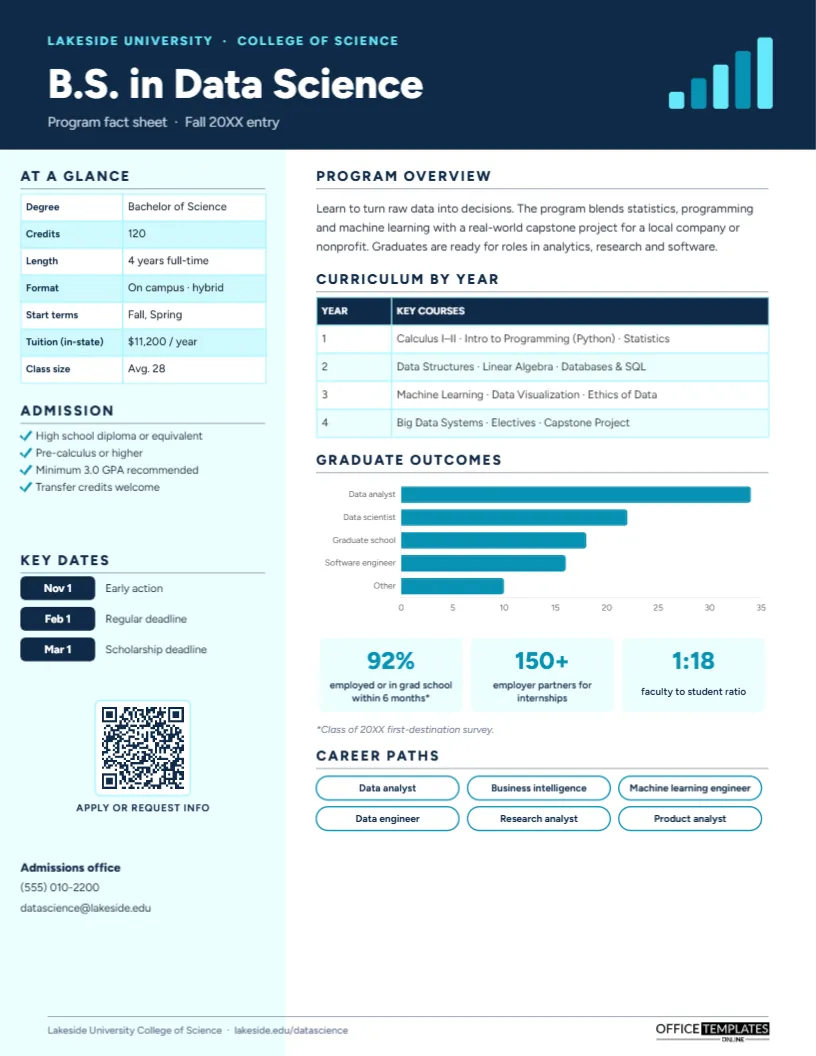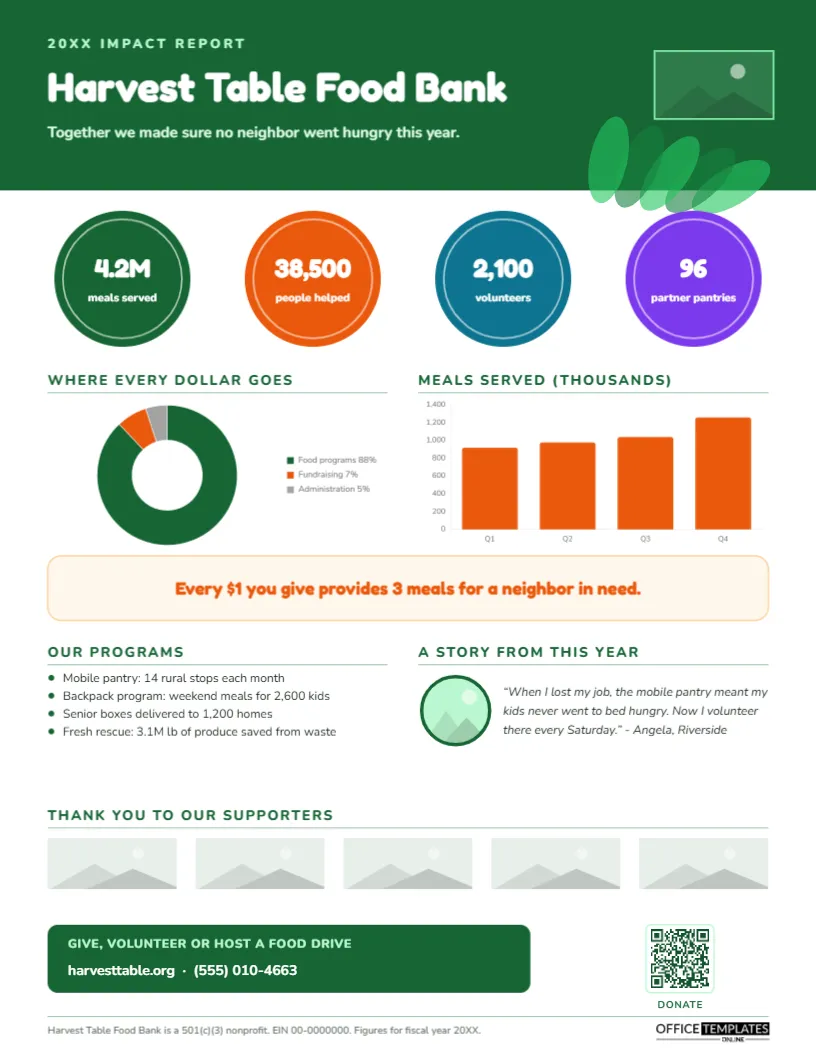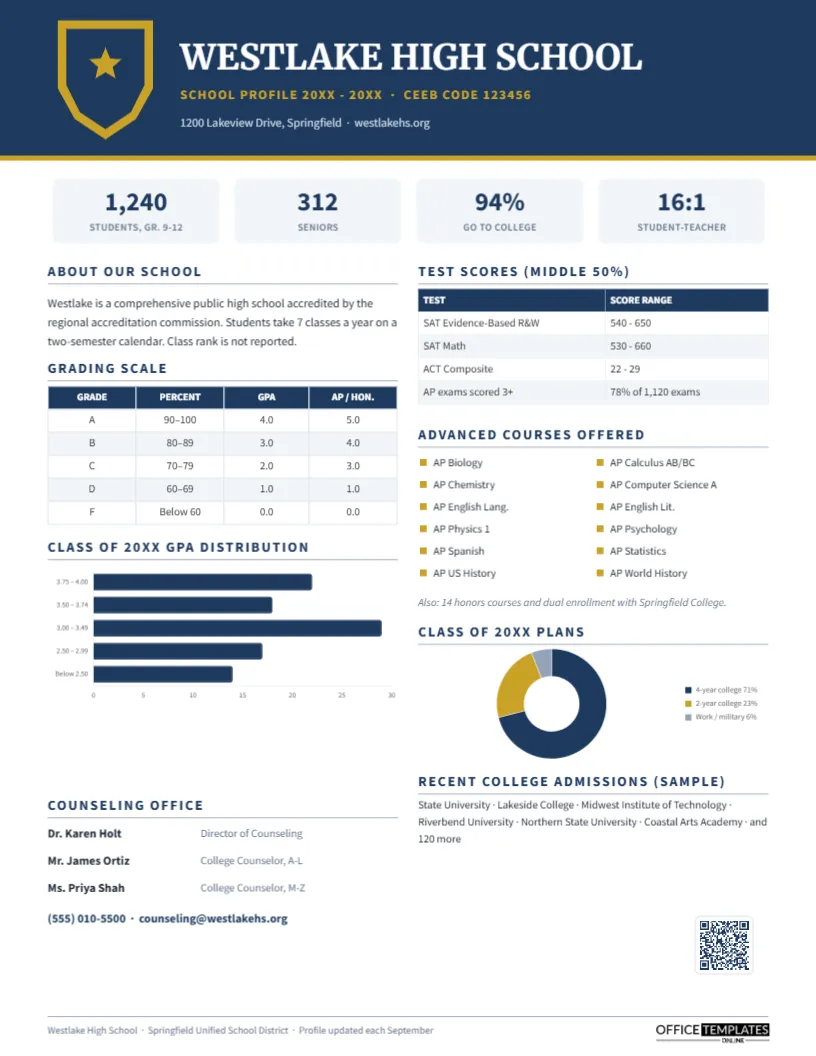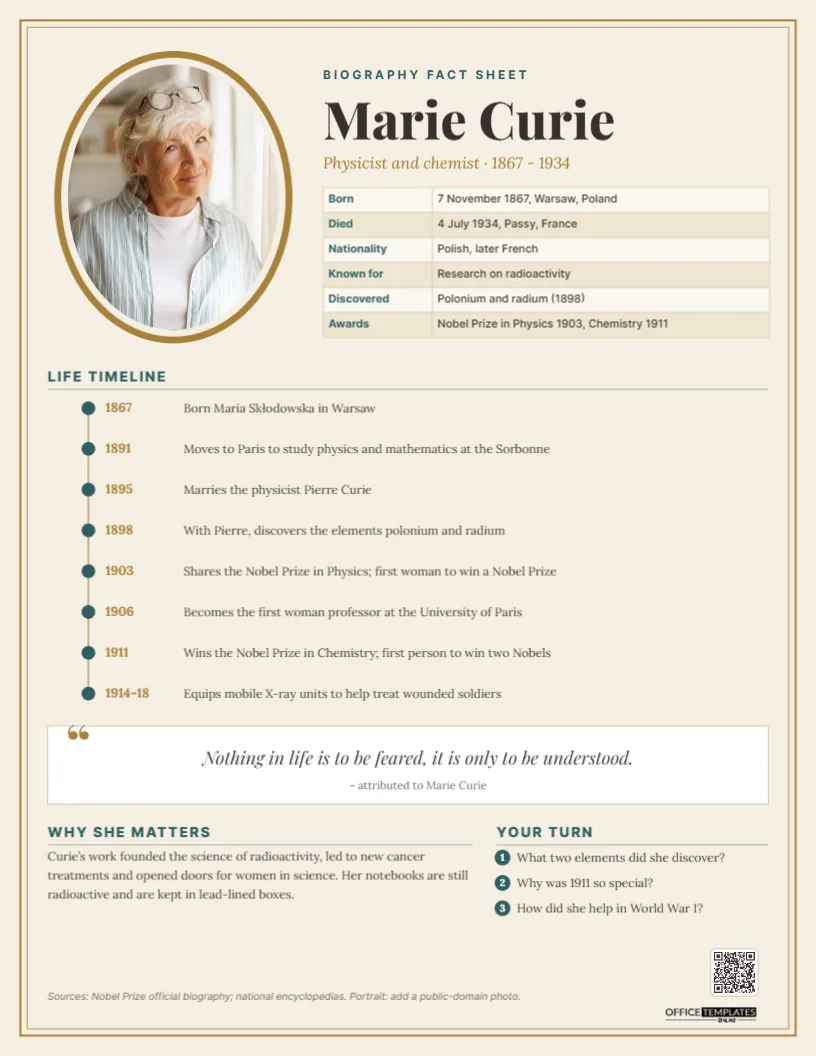
Every shelter animal deserves to be seen as an individual. A good adoption profile introduces the animal the way a friend would: a great photo, a name in big letters, the facts adopters need, and a story that shows who they really are. Shelters and rescues pin these profiles on kennel cards, bring them to adoption events and share them online, and a warm, well-designed profile can shorten an animal’s stay considerably. This Pet Adoption Profile Fact Sheet Template, shown with a Labrador mix named Biscuit, is cheerful, honest, and easy to update for every new arrival.
Designed to Make People Stop
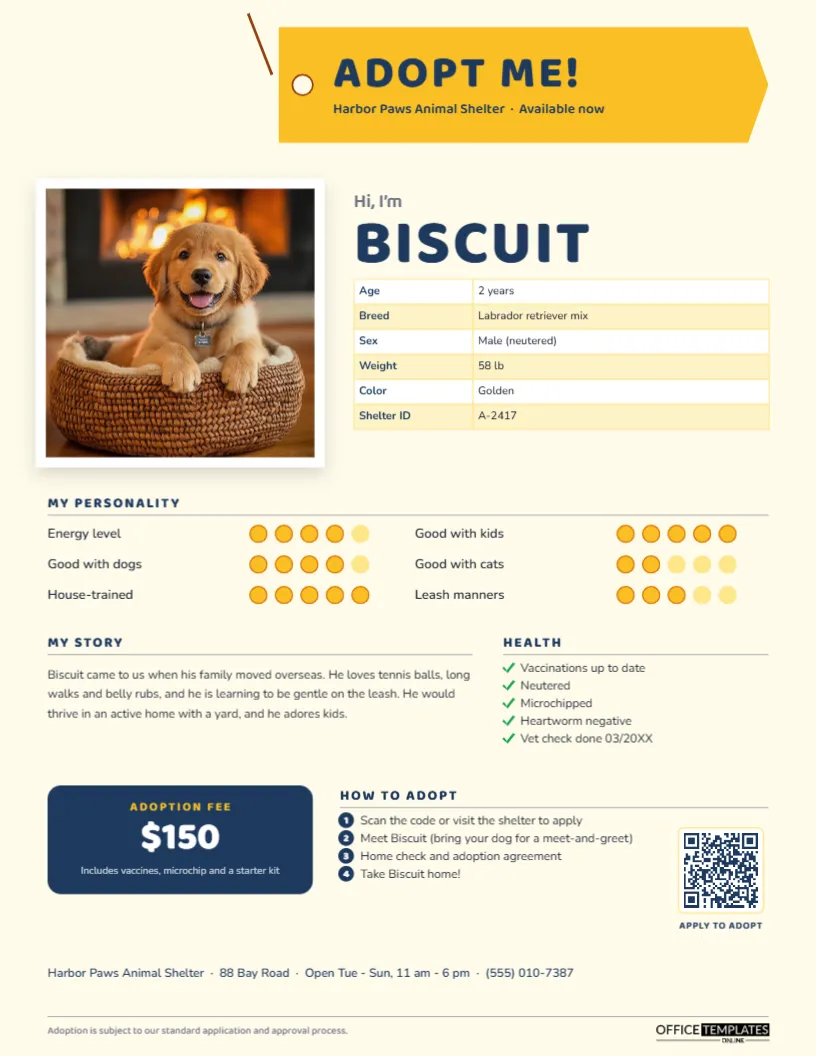
At a busy adoption event or on a crowded shelter wall, a profile has a few seconds to catch someone’s eye. The template uses a bright yellow luggage-tag banner hanging from a short string, with ADOPT ME! in rounded navy Baloo 2 letters and the shelter’s name underneath. A large square photo slot with a thick white border and a soft shadow, like a printed snapshot, shows the animal’s face. Beside it, Hi, I’m introduces the name, BISCUIT, in big navy letters, followed by a table of quick stats: age, breed, sex, weight, colour, and shelter ID, on a warm cream background.
Personality at a Glance
The My personality section is the heart of the page. Six traits (energy level, good with kids, good with dogs, good with cats, house-trained and leash manners) are each rated with five round dots, filled in yellow up to the animal’s score. Families can see at a glance whether an animal fits their home: a family with a cat will notice that Biscuit scores two out of five with cats, while an active family will see his high energy. Honest ratings lead to better matches and fewer returns.
Below it, My story tells how Biscuit came to the shelter and what he loves, and Health lists vaccinations, neutering, microchipping, a heartworm test, and the vet check date with green checkmarks. A navy box shows the adoption fee and what it includes. How to adopt lists four numbered steps, beside a large QR code captioned APPLY TO ADOPT. The shelter’s address, hours, and phone number run along the bottom. The profile is laid out on US Letter paper, 8.5 x 11 inches, portrait.
Personality Rating Guide for Staff and Volunteers
Consistent ratings make profiles trustworthy. Agree as a team what each score means, for example:
| Dots | Energy level | Good with cats/dogs/kids |
|---|---|---|
| 1 | Couch companion, short strolls | Not recommended; reacts strongly |
| 2 | Calm, enjoys a daily walk | Only with slow introductions and experienced owners |
| 3 | Moderate, walks and play sessions | Unknown or mixed history; meet first |
| 4 | Active, needs daily exercise | Generally good after introductions |
| 5 | Very high, suits runners or working homes | Proven to live happily with them |
If a trait has not been assessed, say so in the story rather than guessing.
Creating a Profile for a New Arrival
- Click the photo and choose Replace Image. Use a bright, eye-level photo with the animal looking at the camera.
- Type the animal’s name; short names fit best at this size.
- Select the stats table and use Edit Data to enter age, breed, sex, weight, colour, and ID.
- Set each personality meter by recolouring dots: yellow for filled, pale yellow for empty.
- Write the story and update the health list and fee.
- Link the QR code to the animal’s page on your adoption site in the Barcodes & QR panel.
Writing a Story That Finds a Home
Write in a warm, specific voice. Instead of sweet dog, needs a home, describe moments: Biscuit loves tennis balls, long walks, and belly rubs, and is learning to be gentle on the leash. Be honest about needs, framed positively: Would thrive in an active home with a yard tells the right family they are the right family. Some shelters write in the animal’s own voice, as the Hi, I’m Biscuit introduction does; it is charming and helps people imagine the pet in their home. Avoid negative labels that can stick, and describe behaviour instead.
Photos That Get Pets Adopted
Photos are the single most important part of any adoption profile. Shoot outside the kennel if you can, in natural light, at the animal’s eye level. A clean background, a toy, a volunteer’s hand giving a treat, or a bandana can make a big difference. Take several shots and use the one where the eyes are sharp and the expression is relaxed. Update the photo if the animal has been at the shelter a long time; a fresh image can bring renewed interest.
Cats, Rabbits and Other Animals
The template works for any adoptable animal. For cats, change the traits to Lap cat, Playfulness, Good with dogs, Good with kids, Litter trained, and Talkative. For rabbits, guinea pigs, or birds, adjust the traits and health list, and replace the leash step with care requirements. Foster-based rescues can add the foster family’s notes to the story.
Fees and Transparency
Listing the fee and what it covers (vaccines, microchip, spay or neuter, a starter kit) reduces questions and shows adopters the value included. If you run fee-waived events or reduced fees for seniors or long-stay animals, add a small note to the fee box. Keep the adoption process steps simple and accurate, so adopters know what to expect.
Kennel Cards and Event Displays
Print profiles on bright white paper and slide them into clear sleeves on kennel doors so they stay clean. For adoption events, print larger on foam board or tabloid paper. Share the PDF or an image on social media, and in community Facebook groups, local businesses, and veterinary clinics.
Shelter and Rescue FAQs
Can I include medical needs?
Yes. Add them to the health list and the story, with what care is involved and any ongoing costs.
Can I show a bonded pair?
Duplicate the photo slot and stats, place the two side by side, and explain in the story why they should go home together.
How often should profiles be updated?
Update ratings and photos as volunteers learn more about the animal, at least every few weeks for long-stay pets.
Open the template, add your animal’s photo, personality, and story, and help them find the home they are waiting for.